Monkey Alone: A Quirky Font for Authentic Design
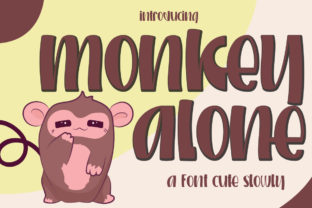
Every designer knows the feeling: a project needs a spark of personality, a touch of handcrafted authenticity that standard fonts can't deliver. This is where a typeface like Monkey Alone enters the scene, offering an immediate injection of fun, quirkiness, and genuine character. This enchanting handwritten font is engineered to transform creative ideas into standout visual statements, making it a versatile asset in any modern design workflow.
Understanding the Visual Impact of Monkey Alone
Monkey Alone is more than just a collection of letters; it's a design tool crafted for visual impact. In a landscape saturated with clean, geometric sans-serifs, its playful, hand-lettered feel provides a crucial counterpoint. This font embodies a sense of authenticity and approachability, making it perfect for projects that aim to connect on a human level. Its irregular lines and organic shapes contribute to a warm, inviting aesthetic that can soften corporate edges and inject personality into digital interfaces.
Practical Applications Across Design Disciplines
The true value of a creative asset lies in its application. Monkey Alone excels in numerous areas, proving its worth far beyond a single use case.
- Branding and Logo Design: It can form the core of a brand identity for businesses targeting a youthful, creative, or artisanal market. Think craft breweries, boutique bakeries, children's brands, or indie artists.
- Marketing & Social Media Graphics: Use it for headlines on social media posts, email banners, and digital ads to cut through the noise. Its distinctive style boosts engagement and memorability.
- Packaging and Product Design: On labels, boxes, or merchandise, it communicates a hands-on, premium quality, enhancing the unboxing experience and product appeal.
- Editorial and Web Design: Apply it selectively for pull quotes, section headers, or call-to-action buttons to create visual hierarchy and draw the reader's eye in magazine layouts or website hero sections.
Integrating a Playful Font into a Professional Workflow
Adopting a distinctive typeface requires thoughtful strategy to maintain design integrity. The key is balance and purpose. Monkey Alone should complement, not dominate, your visual system. Pair it with a clean, neutral sans-serif or serif for body text to ensure readability and create a pleasing contrast. This maintains a professional presentation while allowing the font's personality to shine in key areas.
Consider your audience and design goals. Is the project aiming for whimsy, nostalgia, or casual elegance? The font's inherent character should align with the message. Always test for scalability and legibility at various sizes, especially for digital applications like UI design or web design where clarity is paramount. When used intentionally, it strengthens the visual hierarchy, guiding users through your content in an engaging way.
Tips for Effective Typographic Choices
- Audience Alignment: Ensure the font's style resonates with your target demographic's expectations and preferences.
- Context is King: Use expressive fonts like Monkey Alone for headlines, logos, or accents, not for long paragraphs of body copy.
- System Compatibility: Evaluate how it interacts with your existing color palette, imagery, and other typographic selections to build a cohesive brand identity.
- Test Rigorously: Check rendering across devices and mediums—from a small mobile screen to a large print poster—to ensure consistent quality.
In the realm of graphic design, the tools we choose directly influence the conversation our work starts. Selecting a typeface is a fundamental decision in visual communication, shaping perception and emotional response. By thoughtfully incorporating creative assets like Monkey Alone, designers and creators can elevate their projects, ensuring they are not only seen but felt. This approach turns standard design work into memorable, effective communication that truly stands out.