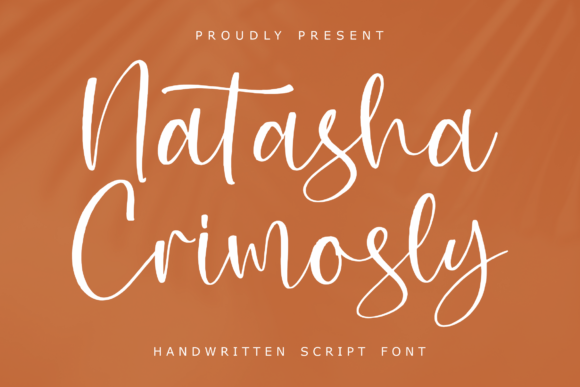
Natasha Crimosly: A Script Font for Modern Branding
In a world saturated with digital noise, a single, elegant stroke can capture attention and convey a message of authenticity and sophistication. This is the power of a well-crafted script font like Natasha Crimosly, a handwritten typeface designed to infuse projects with a personal, human touch that resonates deeply with audiences.
The Role of Handwritten Fonts in Visual Communication
Typography is a cornerstone of graphic design, directly influencing readability, mood, and brand perception. While sans-serifs and serifs offer clarity and tradition, script fonts like Natasha Crimosly introduce emotion and character. They break the monotony of standard digital text, creating an immediate visual hierarchy that draws the eye to key messages. This makes them invaluable for designers and creators aiming to craft memorable visual experiences.
Effective use of such fonts requires balance. They excel as display type for headlines, logos, and callouts but are not suited for long-form body text. Their strength lies in their ability to add a layer of warmth and creativity, making them perfect for projects where connection and personality are paramount.
Practical Applications for Creative Projects
The versatility of a quality script font allows it to enhance a wide array of design contexts. Natasha Crimosly is particularly suited for applications where a beautiful script taste is needed to elevate the design.
- Branding and Logo Design: Establish a distinctive brand identity for boutiques, cafés, artisanal products, or lifestyle brands that values craftsmanship and authenticity.
- Marketing Materials: Create compelling social media graphics, posters, and advertisements that stand out in a feed. It's ideal for quotes, special announcements, and promotional content.
- Packaging and Merchandise: Apply to product packaging, mugs, t-shirts, and shopping bags to give physical goods a handcrafted, premium feel that enhances perceived value.
- Event and Stationery Design: Perfect for wedding invitations, greeting cards, name cards, and labels, adding a personal and elegant touch to special occasions.
- Digital Presence: Use as a accent font on websites, in UI elements for specific headers, or as a watermark for photography to maintain a cohesive visual style across all platforms.
Tips for Selecting and Using Script Fonts Effectively
Integrating a font like Natasha Crimosly into your design workflow requires thoughtful consideration to ensure it enhances rather than hinders communication.
- Prioritize Readability: Always test the font at the size it will be used. Ensure the letterforms are clear, especially for important information like a business name or event details.
- Maintain Consistency: Use the script font as part of a broader typographic system. Pair it with a clean, neutral sans-serif or serif font for body text to create a balanced and professional presentation.
- Consider Context and Audience: A whimsical script may not suit a corporate financial report, but it could be perfect for a bakery's menu. Align the font's personality with your project's goals and audience expectations.
- Ensure Scalability: Verify that the font remains legible and aesthetically pleasing when scaled down for small labels or up for large banners. Vector-based fonts are ideal for this.
Ultimately, the tools you choose shape the story you tell. Selecting a creative asset like a carefully designed script font is a strategic decision in visual design. It allows you to move beyond mere information delivery and create an emotional resonance that strengthens brand identity and improves user engagement. By thoughtfully incorporating such elements, designers and creators can ensure their projects are not only seen but felt, leaving a lasting and positive impression.