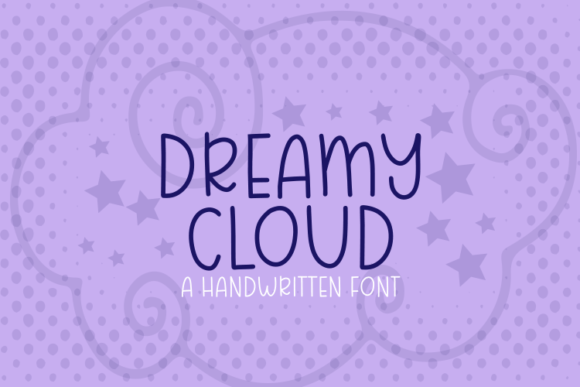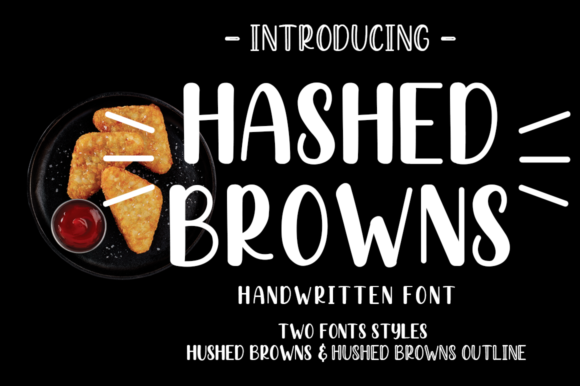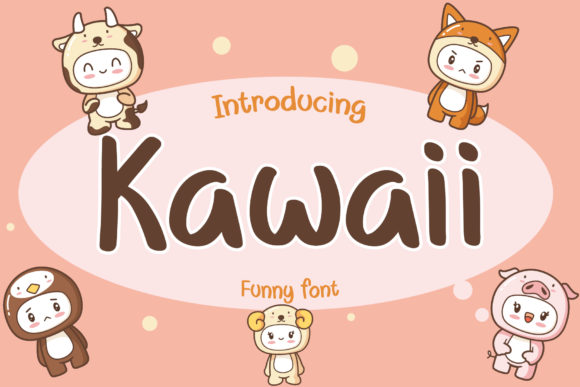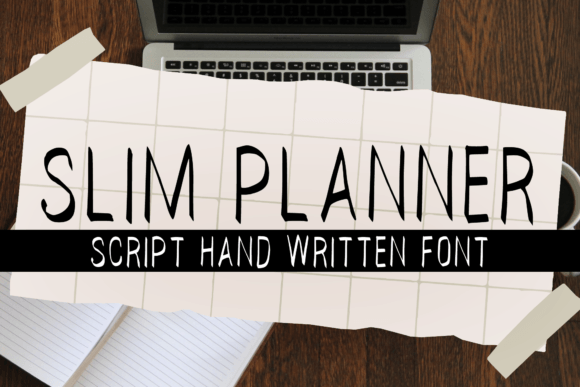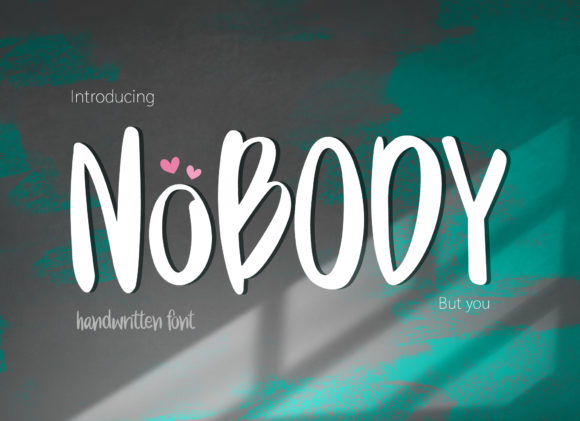
Nobody: A Handwritten Font with Endless Creative Potential
What if one typeface could inject instant personality and warmth into your next project? Meet Nobody, a cute and quirky handwritten font whose natural, unique style makes it a surprisingly versatile asset for a wide range of creative applications. In the world of graphic design, where differentiation is key, a font like this can be the secret weapon that transforms a good design into a memorable one.
The Role of Personality in Modern Typography
Typography is a cornerstone of visual communication, doing far more than just presenting words. It sets the tone, conveys emotion, and builds immediate connections with an audience. While clean sans-serifs and authoritative serifs have their place, the current design landscape increasingly values authenticity and human touch. This is where Nobody excels. Its handwritten nature bypasses the cold, corporate feel, offering a direct line to creativity, approachability, and genuine charm. It’s a tool for designers and creators who want their work to feel personal and engaging.
Practical Applications for the Nobody Font
The true value of a design asset lies in its usability. Nobody’s adaptable style makes it a powerful addition to your creative toolkit for numerous projects. Consider these practical applications:
- Branding and Logo Design: Use it to craft logos, taglines, or brand marks for boutique businesses, cafes, artists, or lifestyle brands that prioritize a friendly, artisanal identity.
- Marketing and Social Media Graphics: Create eye-catching headlines, quotes, and call-to-action text for Instagram stories, Facebook ads, or Pinterest pins that stand out in a crowded feed.
- Editorial and Web Design: Apply it to pull quotes, section headings, or feature titles in magazines, blogs, or website hero sections to add a focal point of visual interest.
- Packaging and Merchandise: Elevate product packaging, labels, or custom merchandise with handwritten text that suggests care, quality, and a personal touch.
- Digital Products and Presentations: Enhance the look of e-books, online course materials, or slide decks, making content more approachable and visually dynamic.
Integrating a Handwritten Font into Your Design Workflow
While a font like Nobody is incredibly fitting for many designs, using it effectively requires thoughtful application. To maximize its impact and maintain a professional presentation, keep these tips in mind:
First, consider visual hierarchy. Handwritten fonts are typically best used for display purposes—headlines, logos, and accent text—rather than for long body paragraphs where readability is paramount. Pair it with a clean, simple sans-serif or serif for body copy to create a balanced and legible composition.
Second, think about your audience and brand alignment. Does the playful, quirky nature of the font resonate with your target demographic? It’s ideal for brands targeting a younger, creative, or lifestyle-oriented market. Ensure it complements your existing color palette and other visual elements to strengthen, not clash with, your brand identity.
Finally, test for scalability and context. Check how the font renders at both large and small sizes, and consider its use across different mediums—from a tiny social media icon to a large printed poster. Its effectiveness should be consistent across your design workflow.
In the end, the only limit with a resource like Nobody