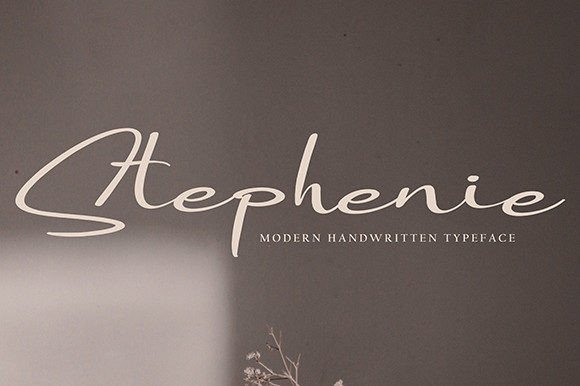
Stephenie: The Handwritten Font for Modern Design
In the world of visual design, the right typography can instantly elevate a project from ordinary to extraordinary. Stephenie is a handwritten font that brings a fresh, contemporary style to the table, offering designers a versatile tool for creating authentic and engaging visual communication. Its unique character lies in its ability to blend personal charm with professional polish, making it a standout choice for a wide array of creative applications.
Why Typography Matters in Brand Identity
Typography is a cornerstone of brand identity. The fonts you choose communicate your brand's personality before a single word is read. A font like Stephenie, with its organic and approachable feel, can humanize a brand, foster trust, and create an emotional connection with the audience. It moves beyond the cold precision of standard serifs and sans-serifs, offering a voice that feels personal and handcrafted. This is invaluable in today's market, where consumers crave authenticity and relatability in the brands they support.
Practical Applications for Creative Projects
The true strength of a design asset is its adaptability. Stephenie’s new style makes it perfect for numerous projects, ensuring your creative assets have a cohesive and impactful look. Consider its role in enhancing visual hierarchy and user engagement across these common design scenarios:
- Branding and Logo Design: Use it to craft distinctive logos, business cards, and stationery that leave a memorable impression. Its handwritten nature adds a signature quality to brand marks.
- Marketing Materials: From posters and flyers to digital ads, Stephenie can draw the eye and convey key messages with a personal touch, improving the effectiveness of your campaigns.
- Social Media Content: Create scroll-stopping graphics for quotes, announcements, and stories. Its visual appeal helps increase engagement and shareability in crowded feeds.
- Website and UI Design: While best used for headers and accent text, it can add warmth to landing pages, blog titles, and call-to-action buttons, enhancing the overall user experience.
- Editorial and Packaging Design: Elevate book covers, magazine layouts, and product packaging. The font adds a layer of sophistication and artisanal quality that can influence purchasing decisions.
Tips for Effective Typography Selection
Choosing the right font involves more than just personal taste. To ensure Stephenie or any typeface works effectively within your design system, evaluate it against these practical criteria:
- Readability and Scalability: Test the font at various sizes. It should remain legible on both a small mobile screen and a large printed poster. Ensure it scales well without losing its defining characteristics.
- Consistency and Compatibility: The font should align with your existing color palette, imagery, and overall brand voice. It should complement, not clash with, other design elements in your toolkit.
- Audience and Context: Always consider your end-user. Does the font's style match their expectations and the context of the message? A playful handwritten font might be perfect for a children's brand but less suitable for a formal financial report.
Integrating a font like Stephenie into your design workflow is about more than just aesthetics; it's a strategic decision that impacts communication. When used thoughtfully, quality creative assets do more than just decorate—they clarify your message, strengthen your brand's narrative, and create a more professional and engaging presentation. By prioritizing fonts that offer both beauty and functionality, you invest in the clarity and effectiveness of every visual touchpoint, ensuring your designs not only look great but also achieve their intended purpose.